Saudi handicrafts: Sadu, Al-Qatt Al-Asiri, palm-frond work and more
Saudi handicrafts are crafts made by traditional hand work or simple tools, without modern machines, from local materials; among the best known are Sadu, Al-Qatt Al-Asiri, palm-frond khoos work, pottery and the bisht. Each region has the crafts it is known for, and each craft has the families who inherited it. Saudi Arabia named 2025 the Year of Handicrafts in their honour. Here is a short guide to the best-known crafts, where Sadu sits among them, and the sources.
Saudi handicrafts: what counts as one
Saudipedia defines handicrafts as industries based on traditional manual work, or on simple tools without modern machinery. What they share is that they grew out of everyday need: a home to live in, a floor to cover, food to store and clothes to wear. Over time each became part of a region's identity.
Sadu: the weave of the desert
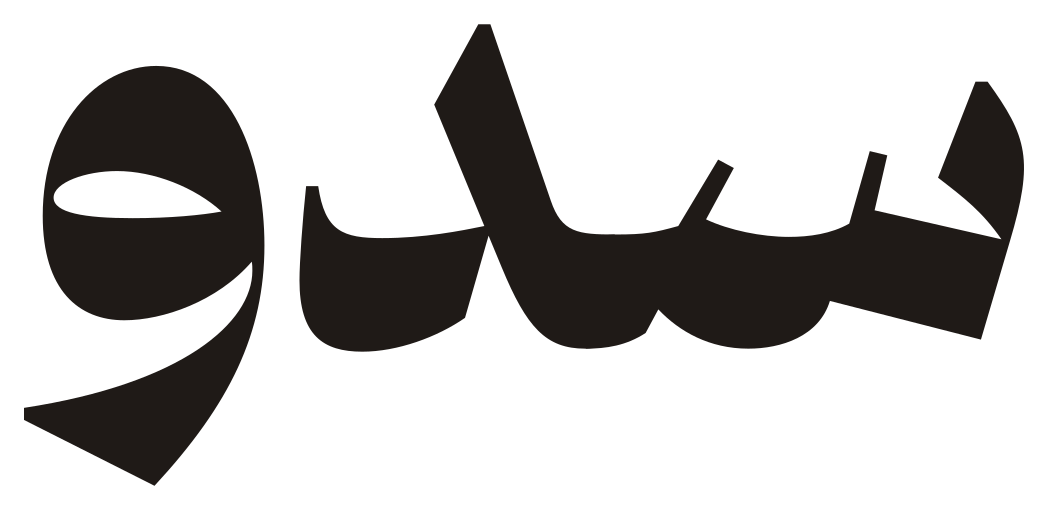
Sadu is a traditional weaving craft that the people of the Arabian Peninsula practised to meet their basic needs. Saudipedia links it to regions including Riyadh and Najd, Qassim and Madinah, together with spinning and weaving. Women spin wool, goat hair and camel hair, then weave it on a ground loom into the black tent, floor coverings, cushions and bags. The patterns are women's work, and each has a name. For the full story, read What is Sadu?
Al-Qatt Al-Asiri: colour on the majlis walls
Al-Qatt Al-Asiri is one of the crafts of the south. Geometric and plant patterns are painted in basic colours straight onto the walls of majlis rooms and corridors, over a white gypsum base. Finished, it turns a whole sitting room into one painting. Like Sadu, it is geometric at heart: lines, triangles and diamonds repeated in order.
Khoos and palm fronds: from the palm to the home
Khoos work is made from palm fronds. Saudipedia names Riyadh, the Eastern Province, Qassim, Najran and the Madinah region, including Khaibar, Badr, Al-Hanakiya and Al-Mahd, as places where it is made, and Al-Ahsa is known for its palm-frond prayer mats and baskets. It is a craft that shows what the palm means to people: shade and dates, then baskets and mats from its leaves.
Pottery, the bisht and other crafts
Pottery is made in the Eastern Province, the Madinah region and Najran. The bisht, the men's cloak, is a craft of the Eastern Province, and the Hasawi bisht is known for the fine gilded zari thread along its edges. Saudipedia lists other crafts too: the janbiya in Najran, prayer beads in Makkah, wooden boats in Yanbu, and old wooden doors and windows in Qassim.
Who keeps these crafts alive today?
According to Saudipedia, the Heritage Commission owns the Saudi Company for Handicrafts and Industries, set up in 2018 under the Ministry of Culture, and the Bara'a programme, created by a Council of Ministers decision in 2012 to license crafts and register craftspeople, was merged into the Commission's work. On 17 September 2024 the Council of Ministers approved naming 2025 the Year of Handicrafts, and the Ministry of Culture launched its platform on 1 January 2025, with the aims of strengthening pride in national identity, empowering Saudi artisans and supporting their work, and diversifying the cultural economy.
Still, a craft lives first through its people: the weaver who teaches her daughter, the painter who decorates her own walls. The best thing a lover of crafts can do is buy from the makers directly.
Where we stand
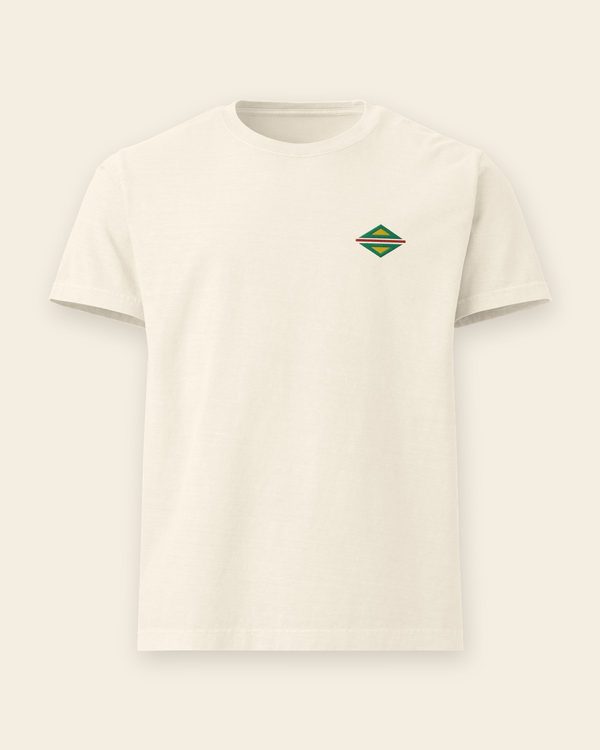
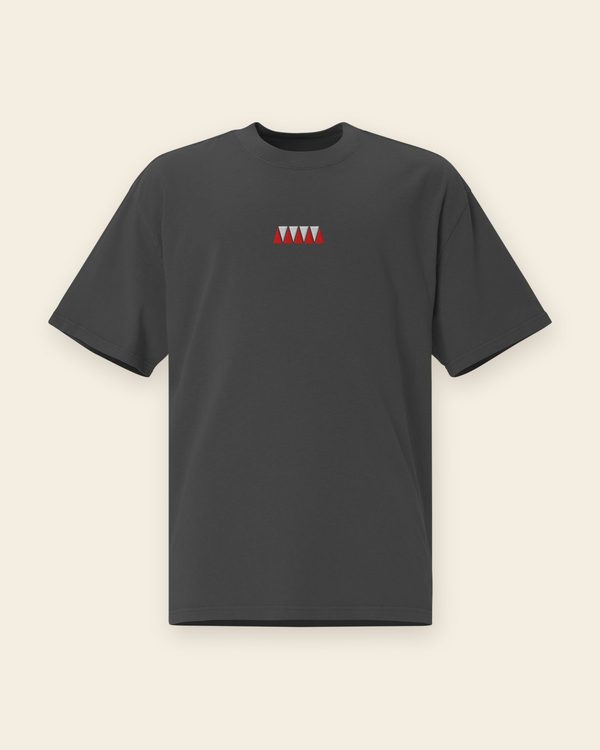
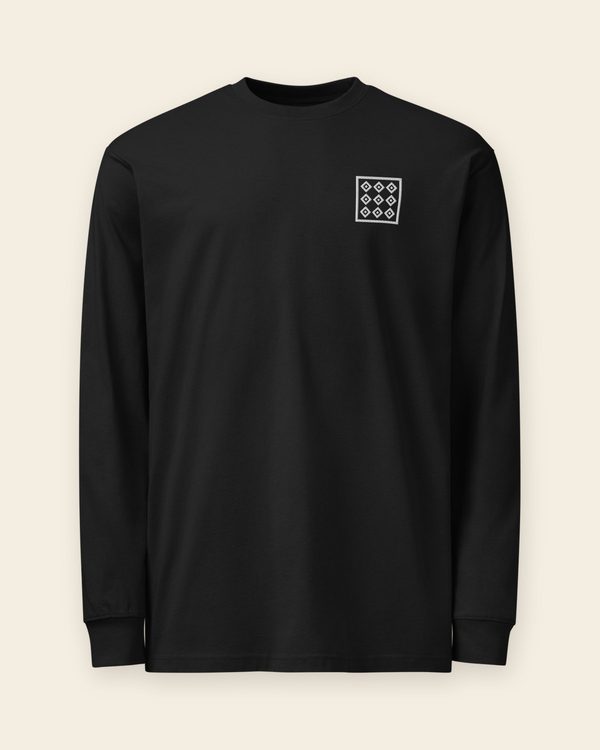
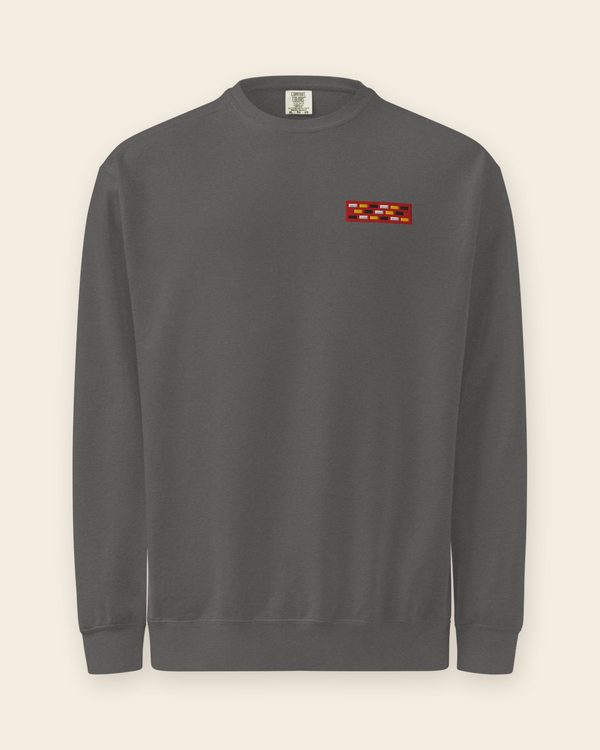
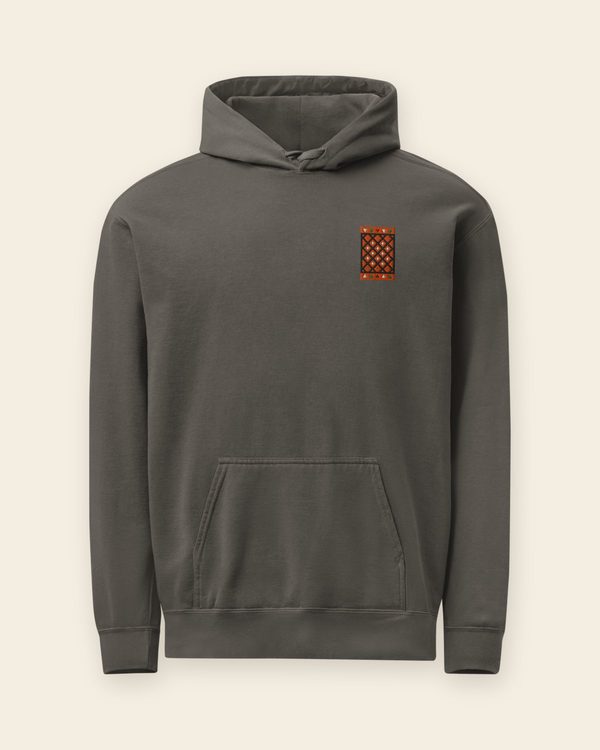
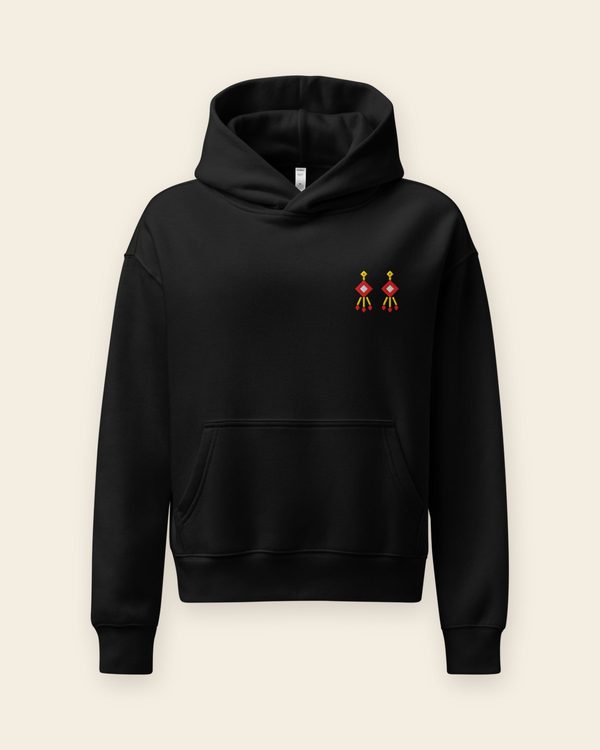
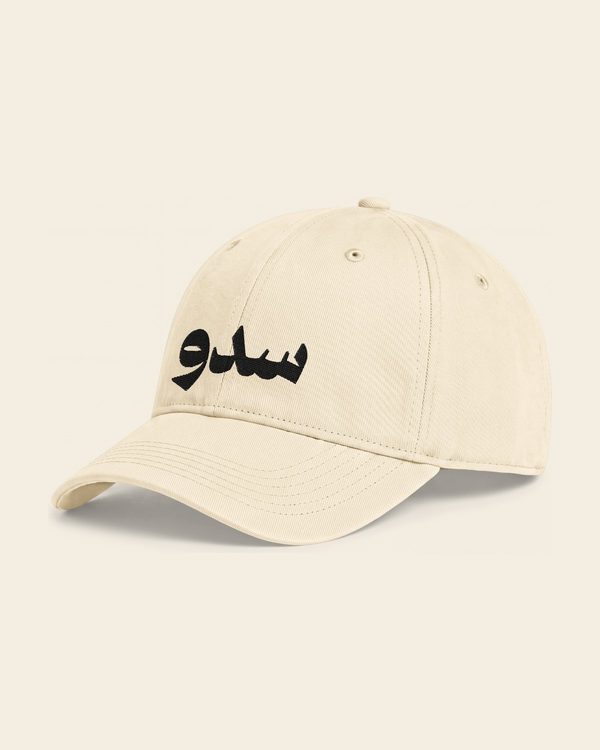
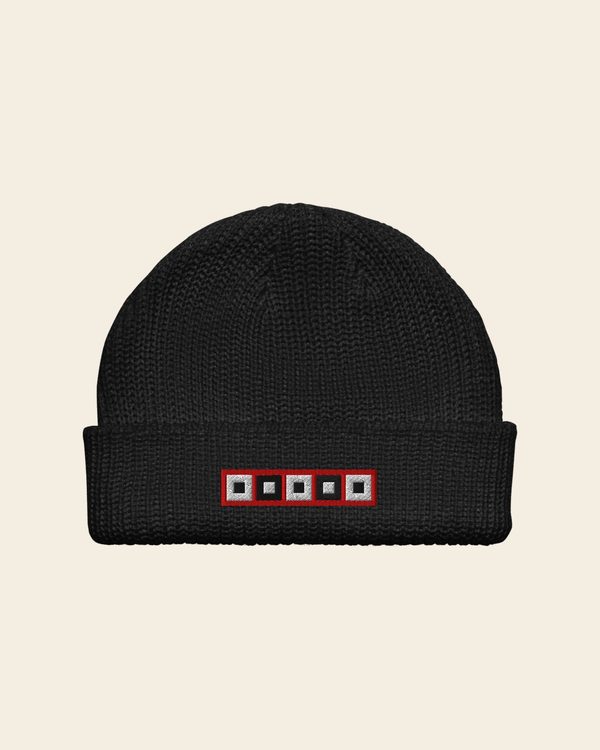
Sadu by miniblank is not a handicraft, and we never call it one. Our pieces carry Sadu-inspired embroidery, machine embroidered: we take one sign from Sadu patterns, draw it as an original design, and give its meaning and source on The signs of Sadu. If you want a woven piece, buy it from the weavers. If you want to wear a Sadu sign every day, start with the Essentials or the Winter collection. Every piece is made for you after you order, with free shipping.
Questions
What are the best-known Saudi handicrafts?
Among them Sadu, Al-Qatt Al-Asiri, palm-frond khoos work, pottery, the bisht, and the janbiya of Najran.
What is Al-Qatt Al-Asiri?
Geometric and plant patterns painted in basic colours on the walls of majlis rooms and corridors over white gypsum, a craft of the south.
When was the Year of Handicrafts?
2025, approved by the Council of Ministers on 17 September 2024; the Ministry of Culture launched its platform on 1 January 2025.
Are Sadu by miniblank pieces a handicraft?
No. Our pieces carry Sadu-inspired machine embroidery, one sign we draw ourselves on each piece.