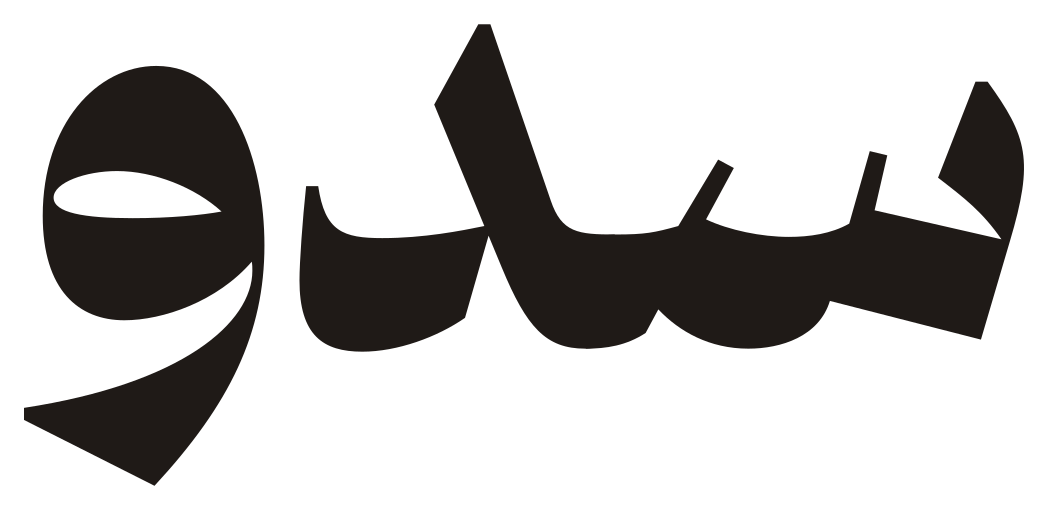
What is Sadu? The weave of Bedouin women, explained
What is Sadu? Al Sadu is a traditional weave made by Bedouin women on a horizontal ground loom, from yarn they spin from sheep wool, goat hair and camel hair, and patterned with geometric designs of triangles, diamonds and lines. Tents, cushions, floor spreads and saddle bags were all made from it. In Saudi Arabia it is practised mostly in the central and northern deserts. The word names both the craft itself and the pieces women weave with it.
What does Sadu mean? The word and its root
Al-Jawhari's classical dictionary, Al-Sihah, defines al-sadw as "stretching the hand toward something", and al-sada as the warp of a cloth, "the opposite of the weft": the long threads held taut while the crosswise threads pass between them. In Al Sadu it is the warp threads that show on the face of the cloth, which is why its patterns look so dense and tight. Al-Jawhari also notes that a she-camel "tasdu" when her stride grows long. So the name holds both the movement of a hand stretching the thread and the stride of the camels that travelled with the Bedouin.
Saudipedia describes Sadu weaving as one of the traditional crafts the people of Arabia practised to meet their basic needs, which has become part of Saudi Arabia's heritage through its designs, motifs and colours. It counts Sadu among the Kingdom's five main crafts, and notes that it is Saudi women who carry the work.
What is Sadu made from?
Sadu is spun from three main fibres: sheep wool, goat hair and camel hair. Sheep wool gives the finest result, and the value of a piece depends on its fibre. Black goat hair is the fibre of the tent, because it is strong and keeps out the rain. The fibre goes through a long process before it reaches the loom: shearing, cleaning, spinning, dyeing, then stretching the warp. Our guide to how Sadu is woven walks through each step.
What did Bedouin women make from Sadu?
Sadu was part of the home itself, not decoration laid on top of it. From it came the panels of the black tent, the divider between the men's and women's sides, the spreads laid out in the majlis, the cushions to lean on, the bags and sacks that carried provisions, and the safayef bands that dressed camels and horses. Each piece took days or weeks of work; a rug could take two months or more, as the weaver Hanouf Al-Hazmi, who learned Sadu from her mother, describes.
That is why Sadu is read today as a complete language. Each pattern has a name the weavers know, such as Al-Uwairjan, Al-Hubub, Al-Ain, Dhurus Al-Khail and Al-Shajarah. Meanings vary from weaver to weaver and from place to place, so we write what the sources record as "is said to", and we gather them with their sources on The signs of Sadu.
Sadu today
Weavers still teach Sadu to their daughters and to any woman who wants to learn, and the craft appears at heritage festivals and cultural events across the Kingdom. Its patterns have become a source for contemporary design; Saudipedia notes that the logo of Riyadh's bid for Expo 2030 was inspired by Sadu. The credit for keeping this language alive goes first to the women who carried it, generation after generation.
How Sadu by miniblank works with Al Sadu
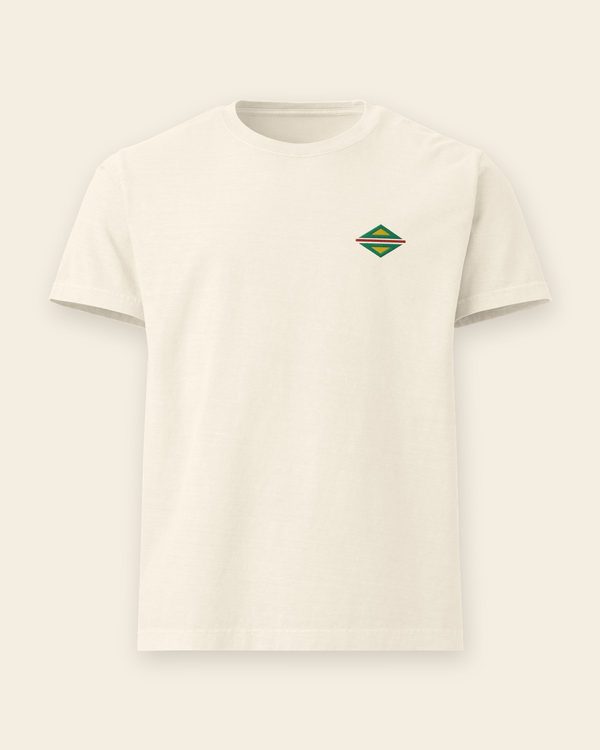
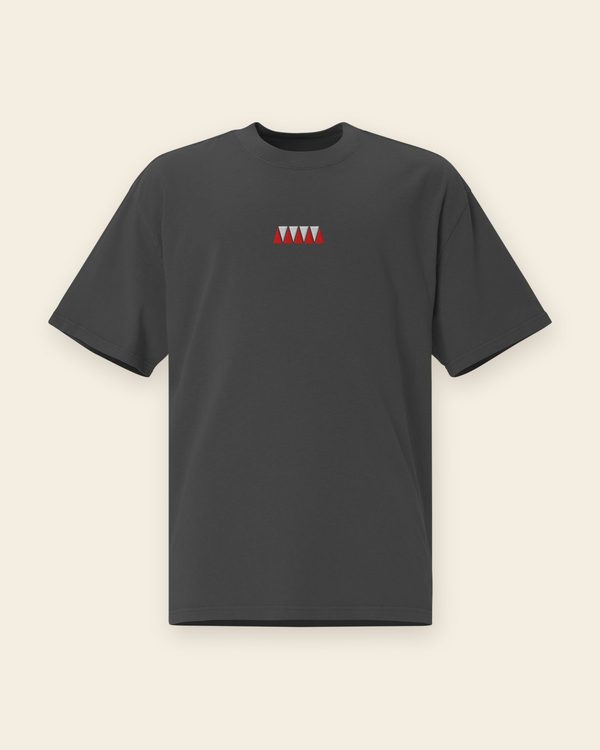
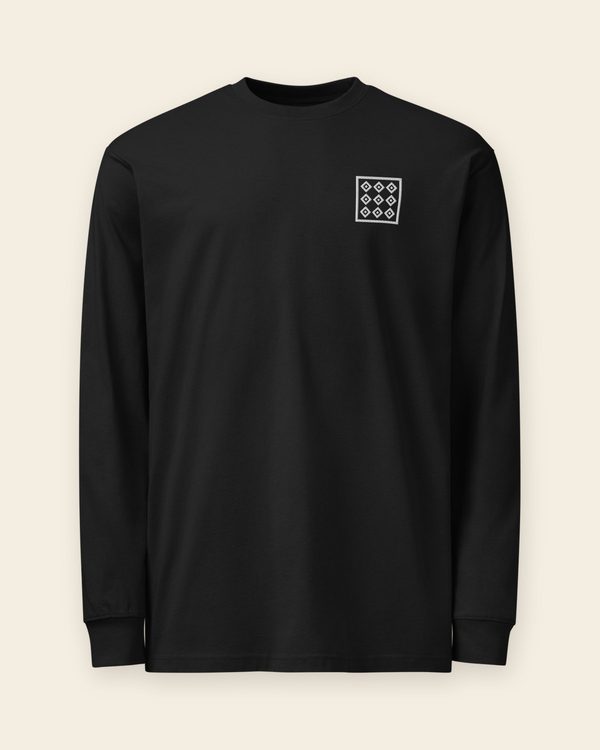
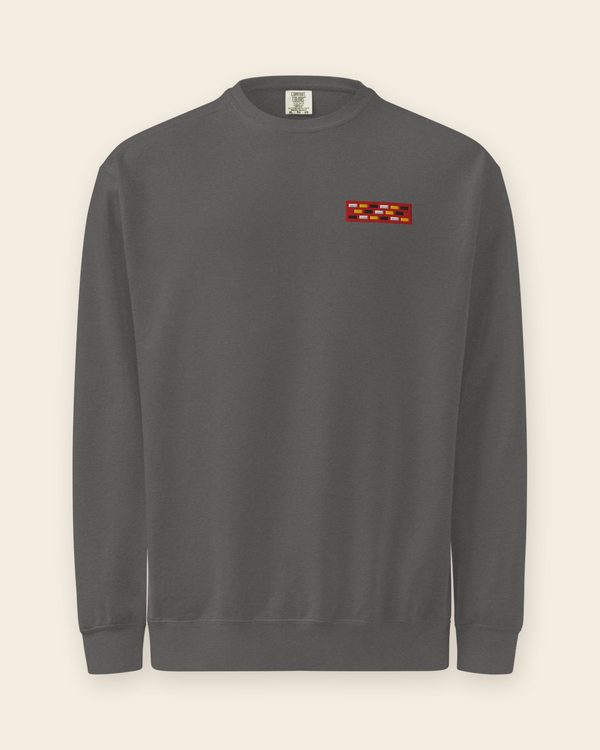
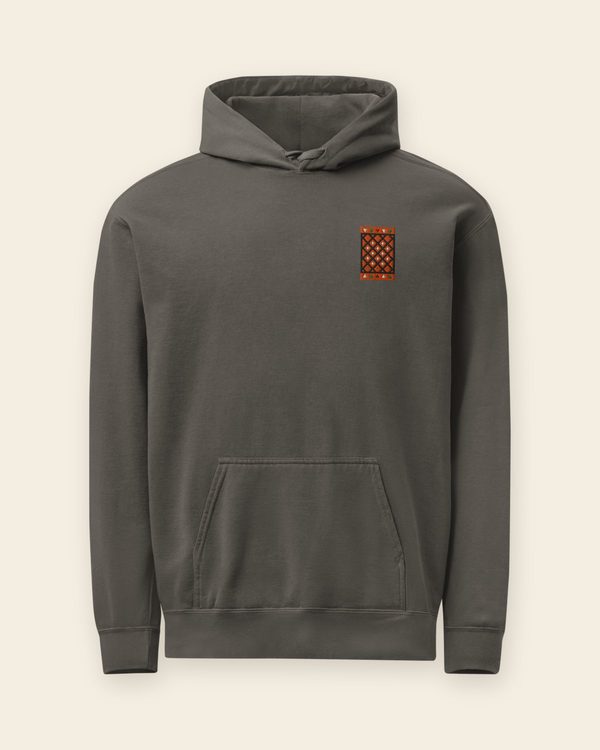
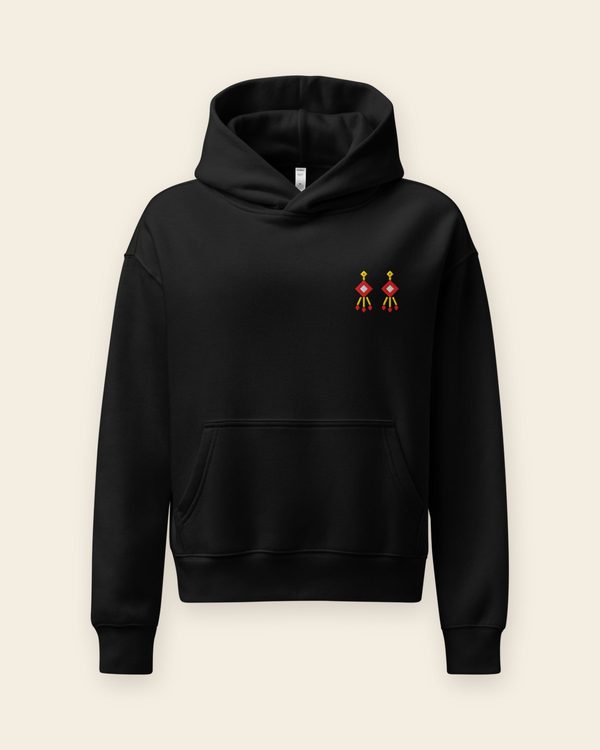
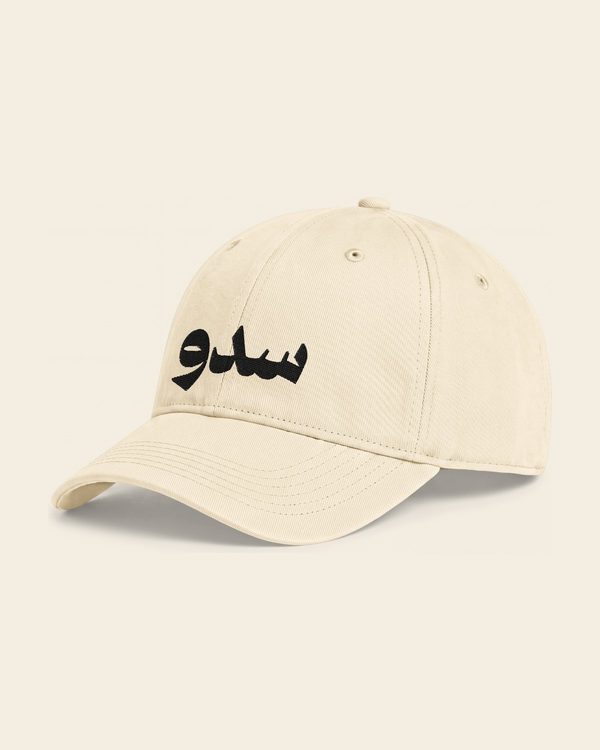
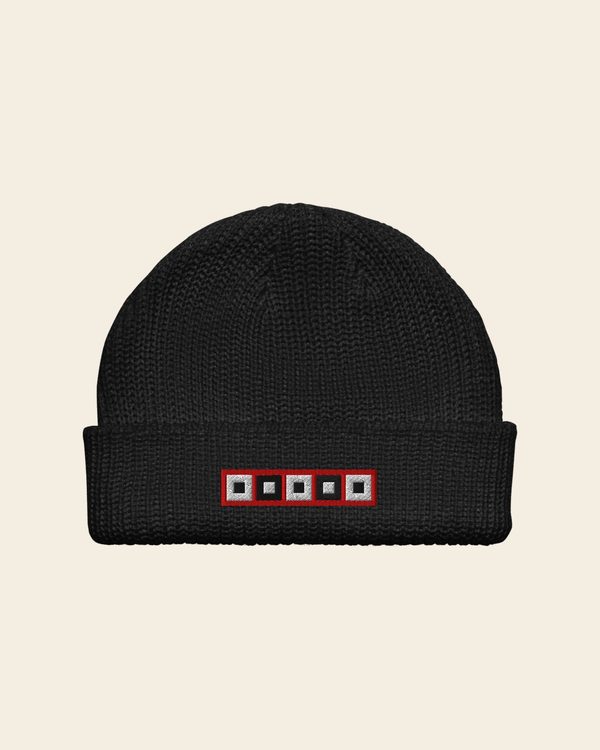
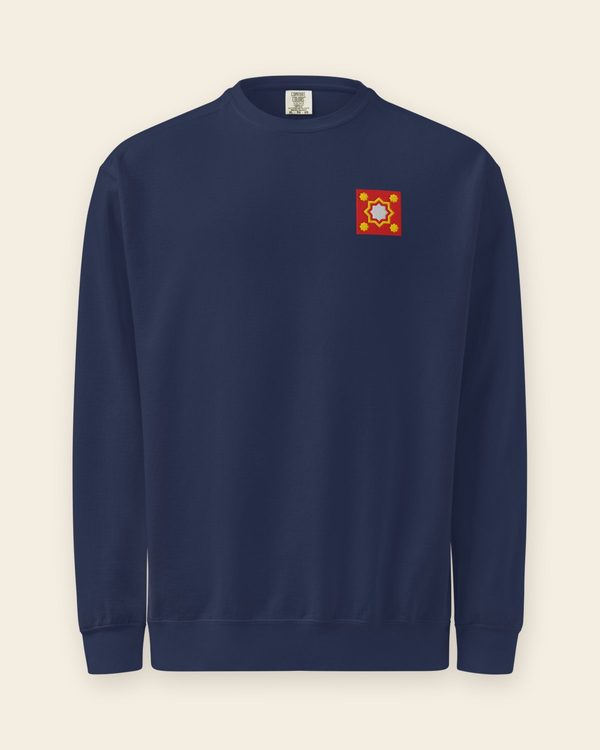
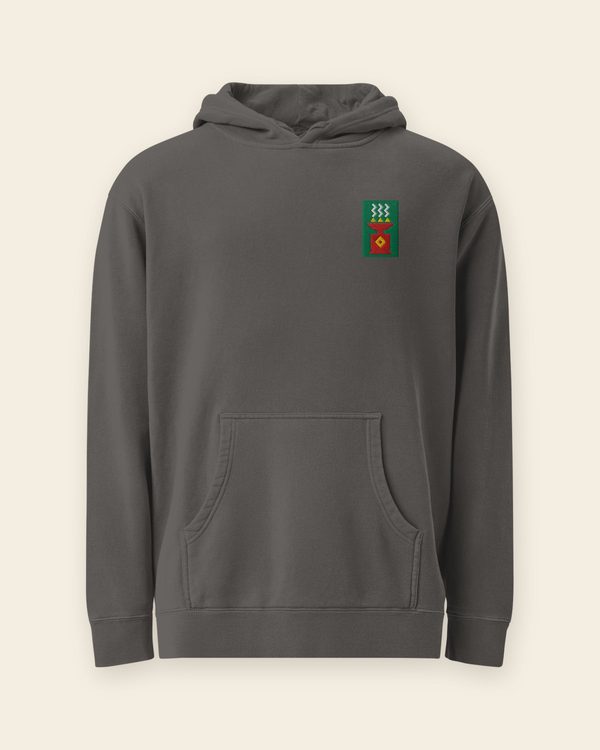
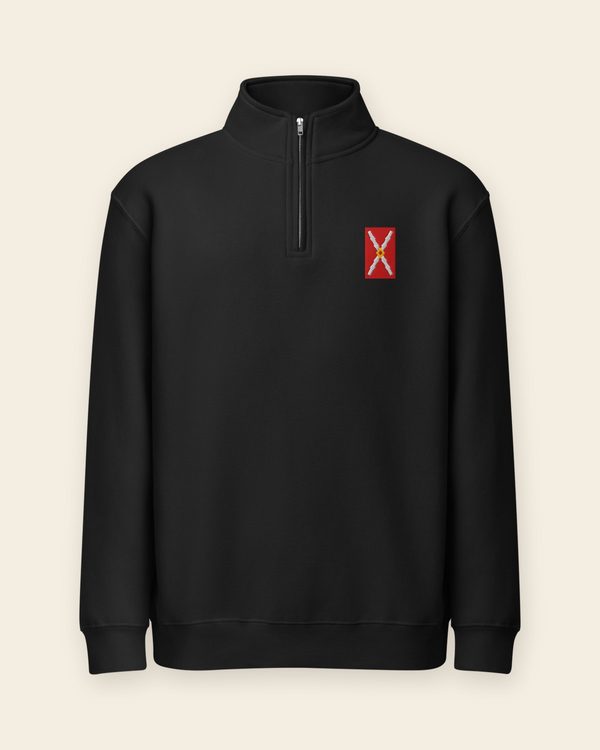
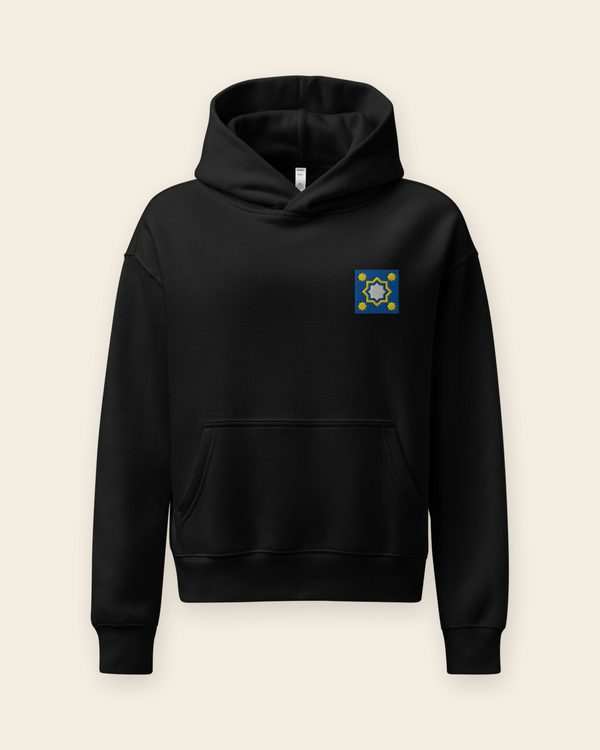
Sadu is not a weave. Our pieces are Sadu-inspired embroidery: we take one sign from the language of Al Sadu, in a design we drew ourselves, embroider it in its own colours on the chest or the cap front, and write its meaning as the sources tell it. So the Mithkhar Tee carries two triangles meeting on one base, and the Shajarah Hoodie carries the pattern counted among the hardest in Sadu. The pieces on all year are in the Essentials, and everything is in the shop. Every piece is made for you after you order.
Questions
What is Sadu, in short?
A traditional weave made by Bedouin women on a horizontal ground loom from sheep wool, goat hair and camel hair, with geometric patterns.
Where does the word Sadu come from?
In Al-Jawhari's Al-Sihah, sadw is stretching the hand toward something, and sada is the warp of a cloth, the opposite of the weft.
Where is Sadu woven?
In Saudi Arabia, mostly in the central and northern deserts.
Are Sadu by miniblank pieces woven?
No. Our pieces are Sadu-inspired embroidery: one sign in a design we drew ourselves, embroidered in its own colours.