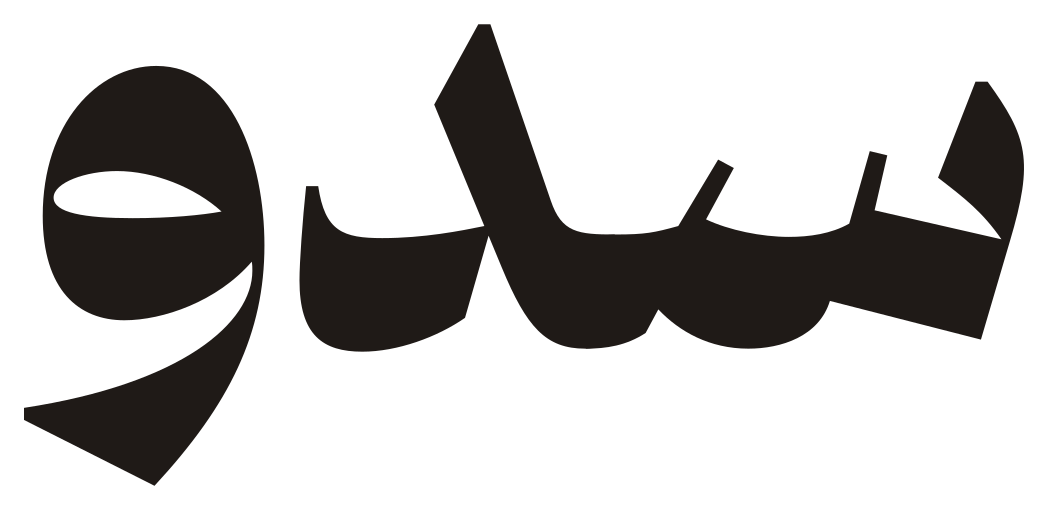
The Sadu majlis: the woven pieces of a Bedouin sitting room
A Sadu majlis, in its original form, is the sitting area of the Bedouin black tent: the sahha spread on the floor, the masand cushions people lean on with their edges finished in khasham, and the dathara that covers whoever gets cold on a winter night, all of them woven Sadu made by Bedouin women. These are the names Saudi sources give to the Sadu pieces of the majlis, and they are what many people mean when they search for a Sadu majlis. Here is what each piece is, where it comes from, and how to honour the craft if you want Sadu in your own majlis.
The Sadu majlis: its pieces and what they do
An Al-Watan report on Sadu weavers in Riyadh lists Sadu pieces by what they are used for. In the majlis, the main ones are:
- Al-Sahha: the floor coverings that furnish a majlis, usually woven from thick yarn and often simply called the bisat, the carpet.
- Al-Masand: a set of cushions that people lean against in the majlis. Their edges are finished with khasham, a decoration that gives them their character.
- Al-Dathara: a woven cover used as a blanket for sleeping in the cold.
The same report names other pieces that are not part of the seating but live in and around it: the mazwad, a large bag for keeping clothes; the adl, a large sack for rice and wheat; and the bags women used to keep their things.
The majlis inside the black tent
The largest Sadu piece of all is the black tent, bayt al-sha'r, the home of the Bedouin, usually woven from black or brown goat hair. Inside it, Saudipedia explains, the rawaq works as a divider, splitting the tent into separate spaces, among them the place where guests are received. That is where the sahha was laid, the cushions lined up, and the fire and the coffee pot set in the middle. The majlis was not a separate room but part of the tent itself, woven by women from sheep's wool, goat hair and camel hair.
Where Sadu comes from
Saudipedia says Sadu yarn is spun from sheep's wool, goat hair and camel hair, with sheep's wool giving the finest quality, and that the tools include the spindle and wooden pegs. It credits the patterns to women, who keep their names and pass them on. So a woven sahha or masand holds days of a woman's work on the loom, from shearing to spinning to weaving, as we explain in How Sadu is woven.
The majlis in Sadu patterns
It is not only that Sadu furnished the majlis; the majlis found its way into Sadu. There are Sadu signs for the black tent, the coffee pot and the incense burner, all things you see at any winter gathering. We do not explain their meanings here, because they have their own page with sources: The signs of Sadu. It is enough to know that the weaver wove what she saw around her: the tent, the coffee, the incense and the stars above.
How to bring Sadu into your majlis
If you want a true Sadu majlis, buy woven pieces from the weavers themselves. The craft is theirs, and buying their work is what keeps it alive. Ask what each piece is: a sahha for the floor, a masand for the back, or a dathara to cover up. Each has the weight and size its job needs. With the floor covering and cushions in place, the coffee pot, the incense burner and the warmth of wool on a winter night complete the room.
Take care not to confuse woven Sadu with fabric printed to look like it. The first is the work of hands and a loom; the second is a picture of it. Both may have a place in a home, but the weaver deserves the difference to be known.
The majlis at Sadu by miniblank
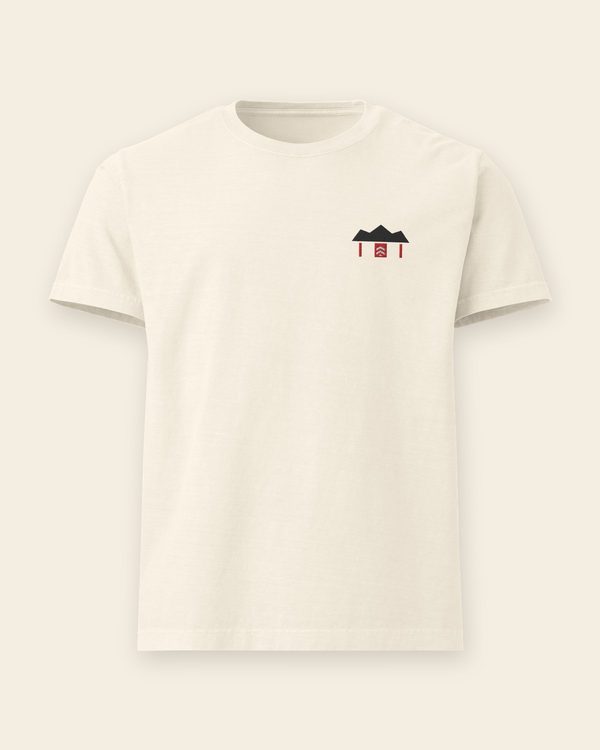
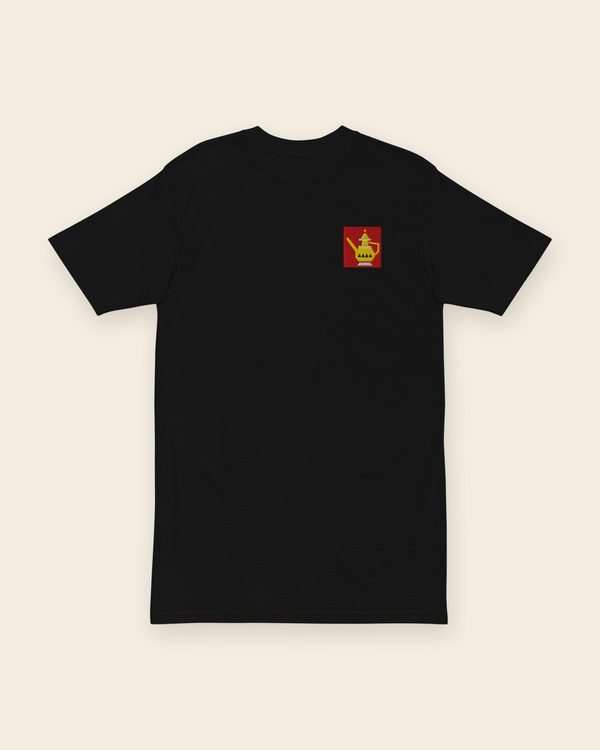
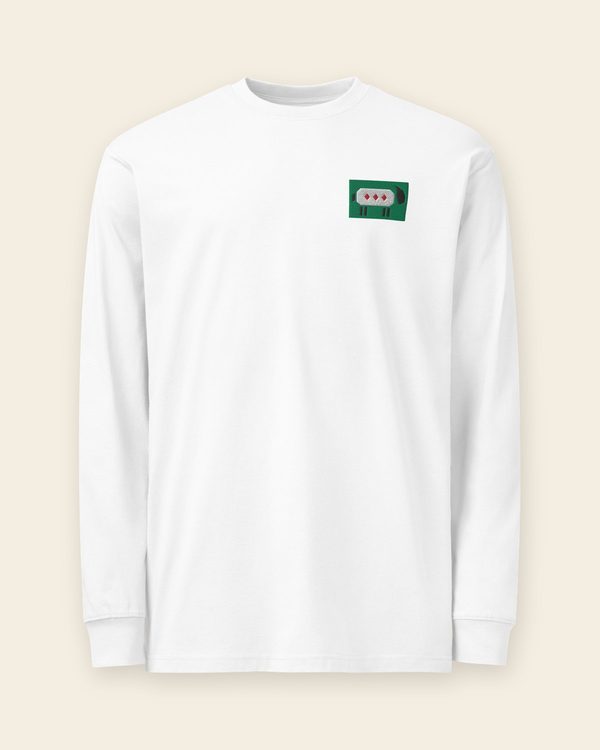
We do not weave Sadu and we do not sell majlis pieces. Our pieces are clothing with Sadu-inspired embroidery: one sign we draw ourselves on each piece, machine embroidered. Our Winter collection comes from the season of the black tent and the majlis: the Black Tent Tee, the Coffee Pot Tee, the Incense Burner Hoodie, the loom, the spindle and the sheep, the stars, and edge patterns of Sadu such as Al-Musht, Darb Al-Hayya, Al-Numayla and Al-Dhal'a. For an everyday piece, start with the Essentials. Every piece is made for you after you order, with free shipping.
Questions
What is the Sadu floor covering of the majlis called?
Al-sahha: the floor coverings that furnish a majlis, usually woven from thick yarn and often called the bisat.
What are the masand and the khasham?
The masand are cushions people lean against in the majlis; the khasham is the decoration on their edges.
Do you sell Sadu majlis pieces?
No. We do not weave Sadu; our pieces are clothing with Sadu-inspired machine embroidery. For woven majlis pieces, buy from the weavers themselves.
What is Sadu made from?
Sheep's wool, goat hair and camel hair, with sheep's wool the finest, according to Saudipedia.