Sadu colours: the reds, blacks and whites of the weave
The main Sadu colours are three: red, black and white. The black comes from goat hair, the whites, browns and beiges are the natural colours of wool and camel hair, and the red comes from dye. Writers on Sadu in Saudi Arabia also record other colours in older pieces, including purple, blue, green and orange. The dyes came from natural sources such as pomegranate rind, tree bark, henna, turmeric and saffron.
The main Sadu colours
Arab News, writing on Saudi Sadu, notes that the yarn was spun in red, black or white, and those three are what most people picture when they think of Sadu: a dark ground, white patterns, and red running between them in bands. The Saudi paper Al-Watan describes the colours of old Sadu as ranging across black, white, brown, beige, red, purple and blue. Heritage references describe its colours as bright, such as reds and oranges, and Saudipedia notes designs built on strong colours such as red and green.
The range makes sense: each weaver dyed with what her surroundings offered, and the old pieces that survive are only part of everything that was woven. The palette itself is the work of the Bedouin women who wove, dyed and passed it down. But the general rule is clear. The colour of the fibre itself is the base, and red is the colour added to bring the pattern alive.
Black: the colour of goat hair
Black in Sadu is usually not a dye at all but the natural colour of goat hair. The black tent is woven from that hair because its fibres swell in the rain, closing the gaps so the water stays out, as Saudipedia explains. So black became tied to the home and to shelter, and it is the ground on which the white and red patterns stand out in many Sadu pieces. The whole story of the tent is in our guide to the Bedouin black tent.
White, brown and beige: wool and camel hair
Sheep wool comes naturally in shades from white to brown, and camel hair from beige to brown. Weavers used these colours as they were, giving quiet tones without any dye. White wool is the one usually dyed, because it takes colour clearly. It is also where the small white dots of the Al-Ain pattern come from, and the light lines of Al-Hubub and Al-Mushut.
Red: the colour of dye
Red is the colour that sets Sadu apart among textiles. Its shades came from natural dyes: Arab News lists pomegranate rind and tree bark among the sources, and Al-Watan names henna, turmeric and saffron among the plants the colours were drawn from. The yarn was dyed before weaving, so each batch came out a slightly different shade from the last, which is part of the beauty of an old piece.
How to choose a Sadu-inspired colour
If you want a piece that recalls Sadu, start with the ground. Black recalls the tent, beige and brown recall wool and camel hair, and white makes a pattern stand out. Then keep red to a single touch rather than a whole surface, the way Sadu itself does it, with red running through the bands rather than covering the cloth. The rule works for clothing and for the home alike.
Sadu colours at Sadu by miniblank
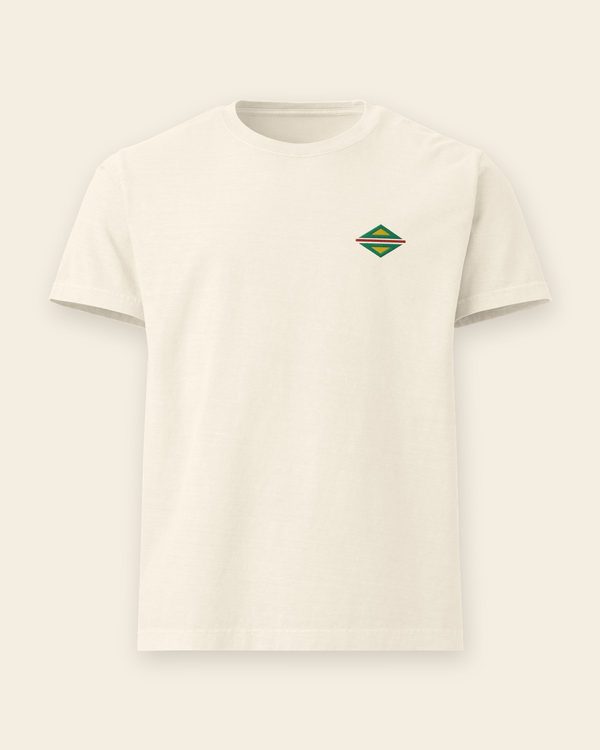
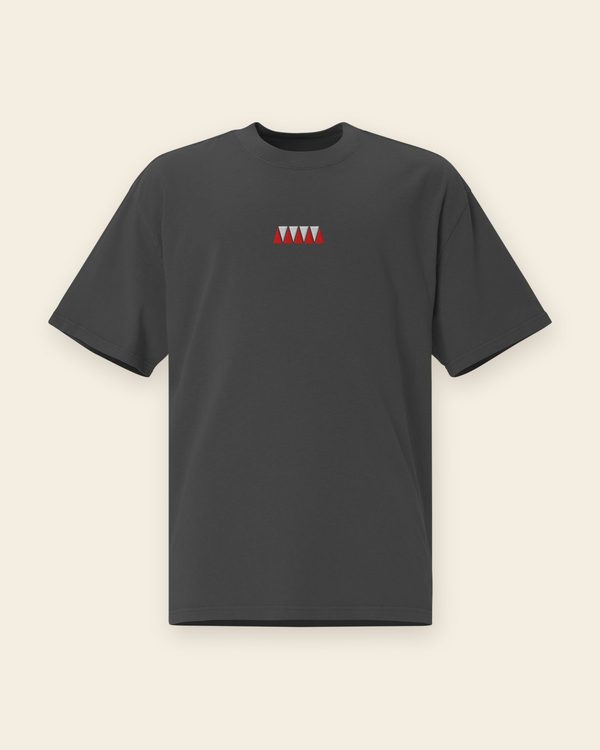
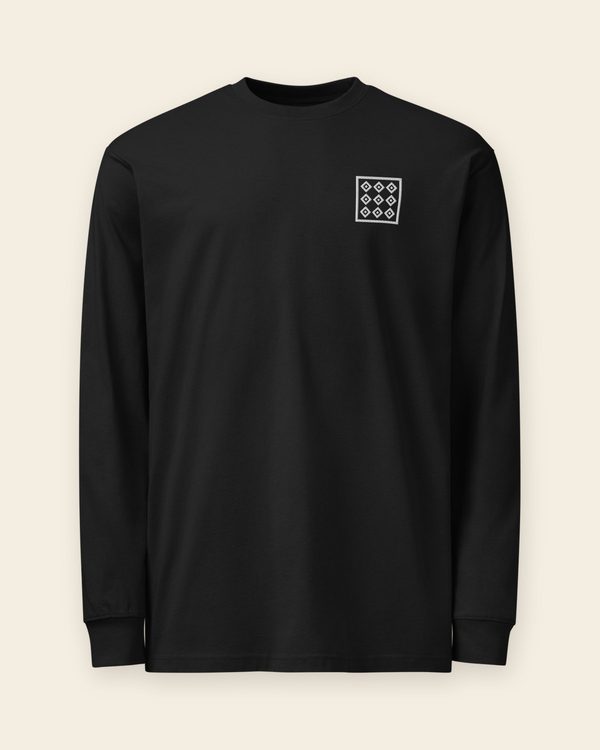
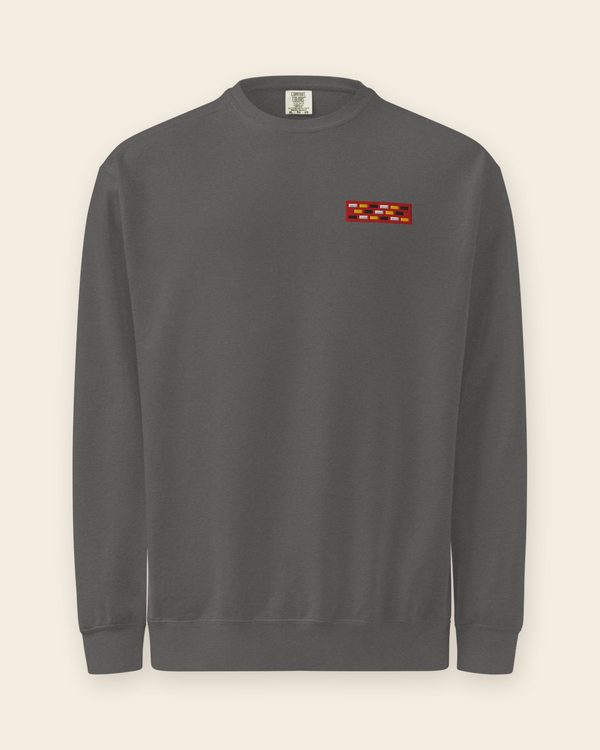
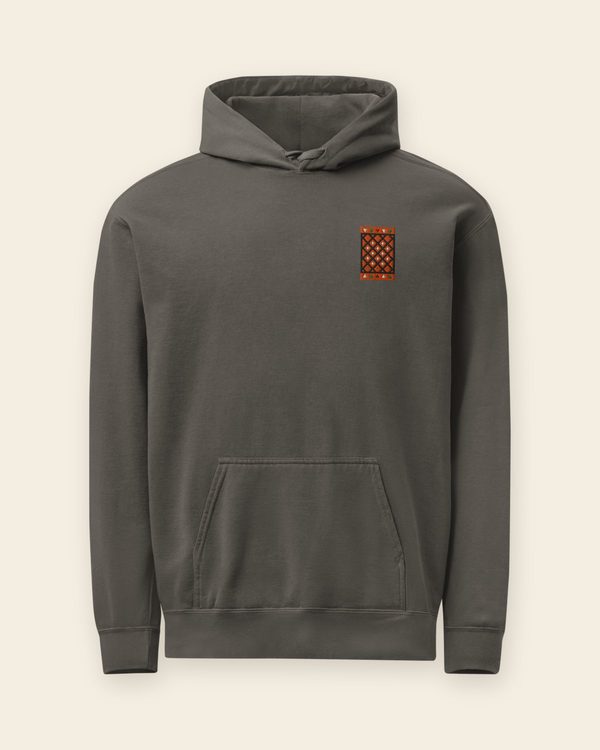
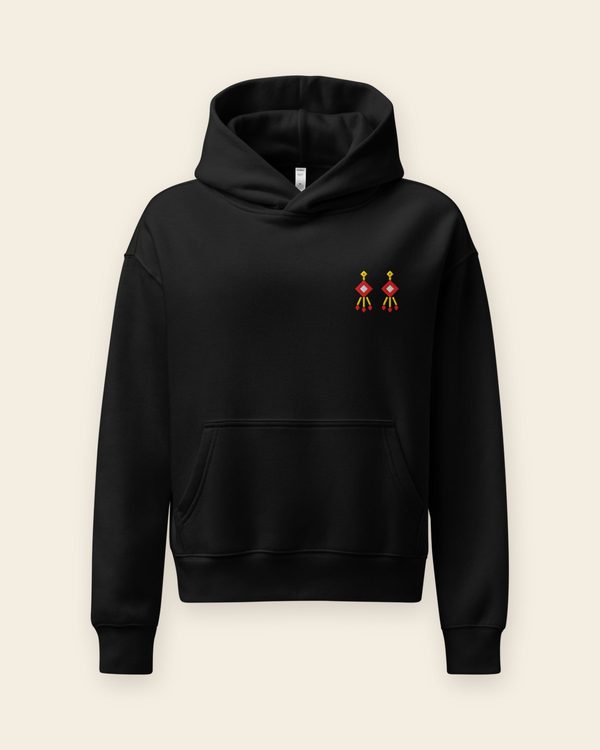
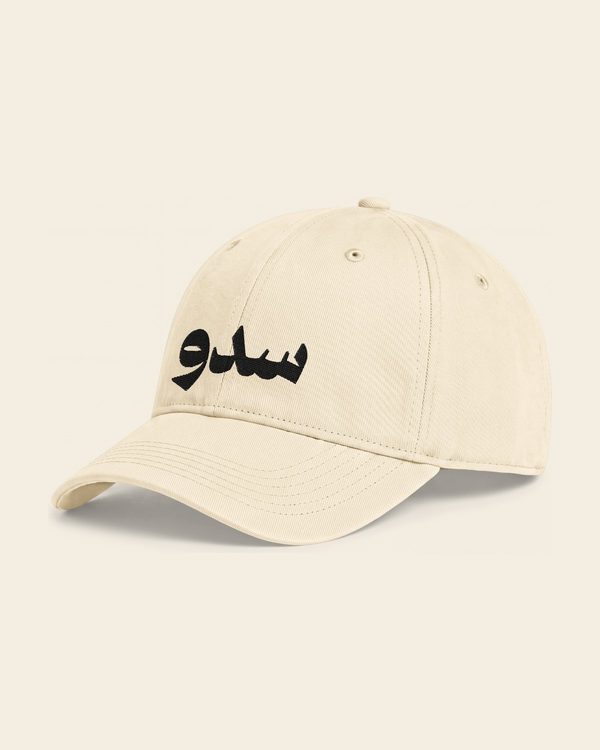
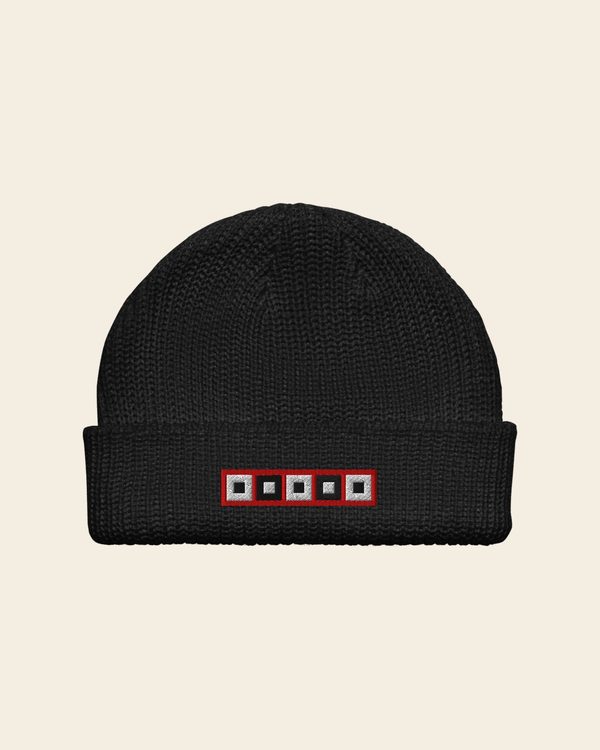
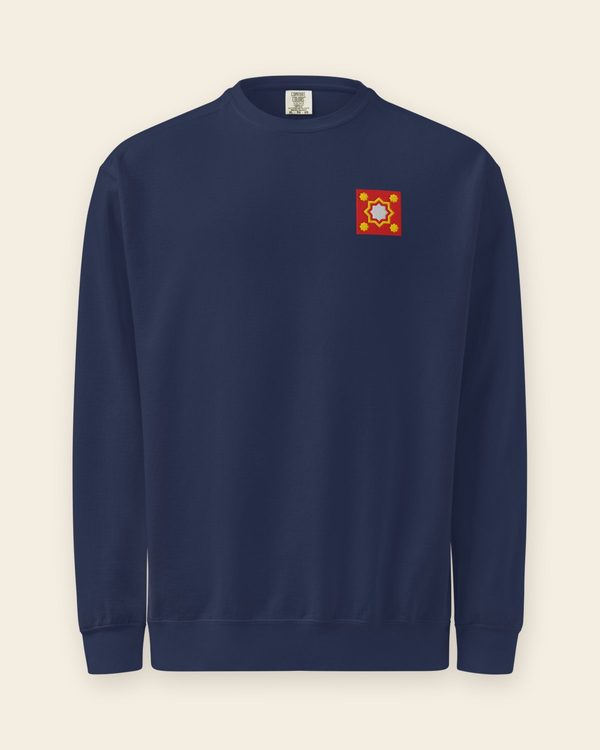
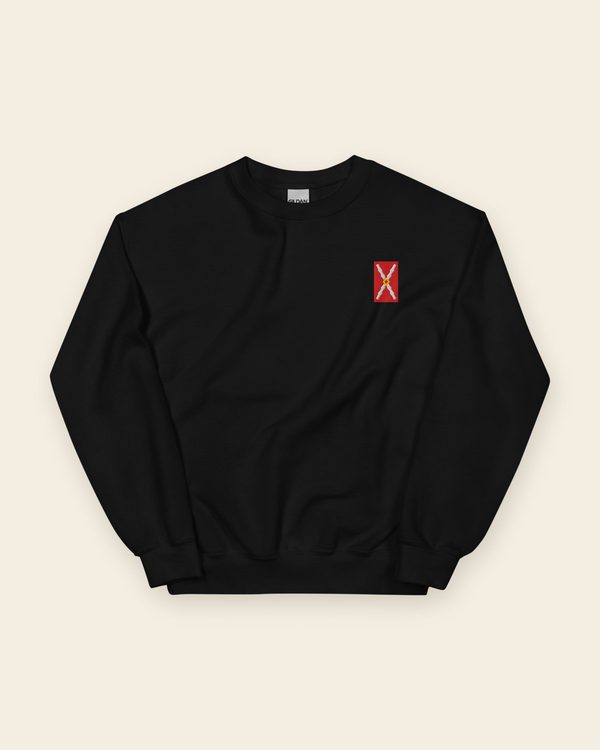
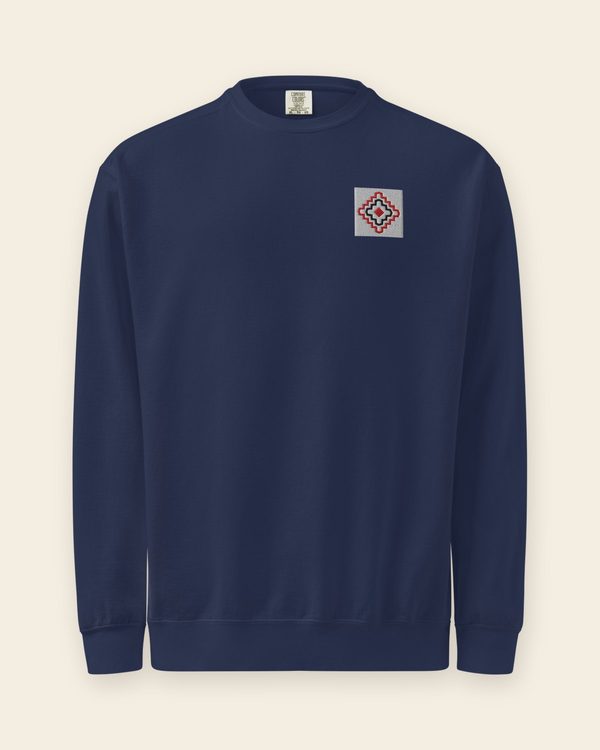
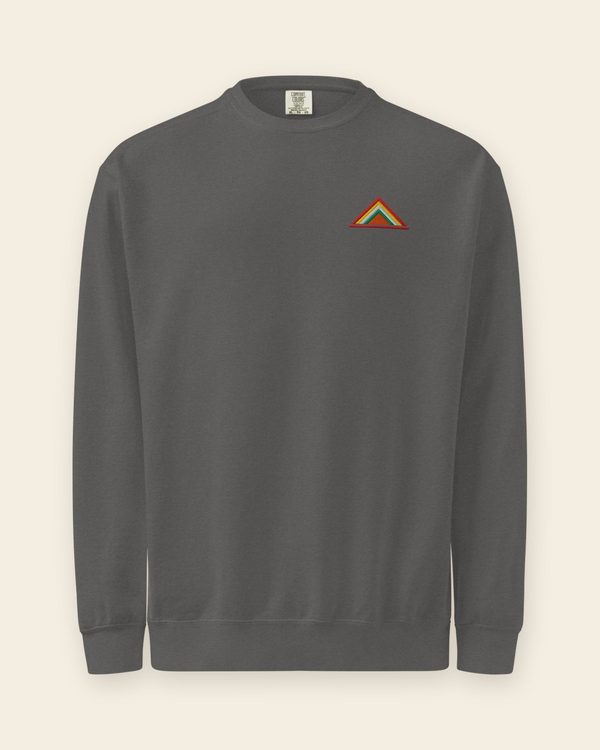
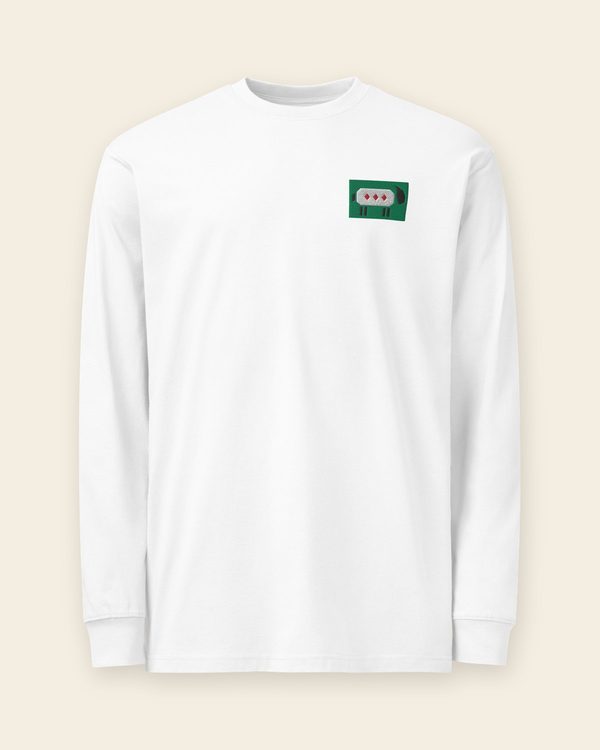
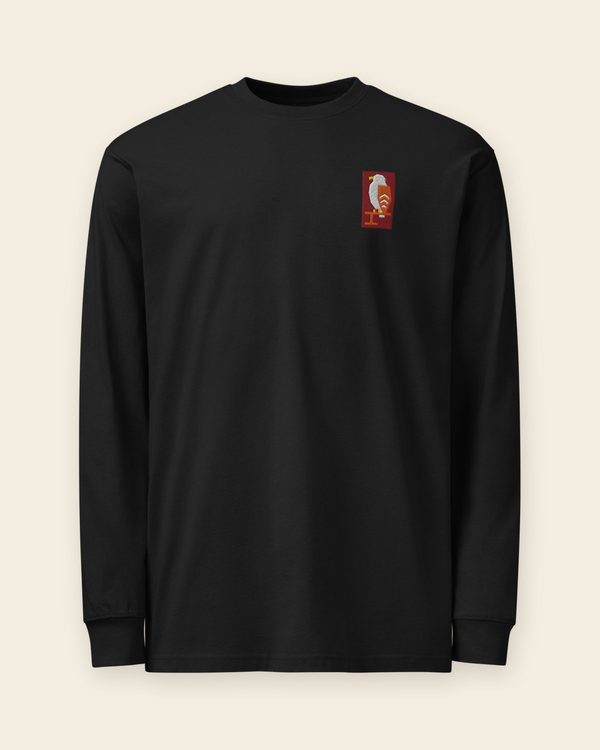
We machine-embroider each sign in the embroidery threads closest to its colours: the kermes red, the black of goat hair, the colours of wool and camel hair. Each sign has two thread versions, one for dark cloth and one for light cloth, so no part of the pattern disappears. The Ain Long Sleeve carries white dots on a dark ground, and the Hubub Crewneck short alternating lines. Garment-dyed pieces vary slightly in colour from one to the next. You'll find every colour in the Essentials and the Winter collection. Every piece is made for you after you order.
Questions
What are the main Sadu colours?
Red, black and white, with the browns and beiges of natural wool and camel hair.
Where does the red in Sadu come from?
From natural dyes. Arab News names pomegranate rind and tree bark among the sources of Sadu dyes.
Why is the Bedouin tent black?
Because it is woven from black goat hair, whose fibres swell in the rain and keep the water out.
Are Sadu by miniblank threads in Sadu colours?
We embroider each sign in the threads closest to its colours: kermes red, goat-hair black, and the colours of wool and camel hair.